Who's in Charge, Here?
August 22, 2024
Who's in Charge, Here?
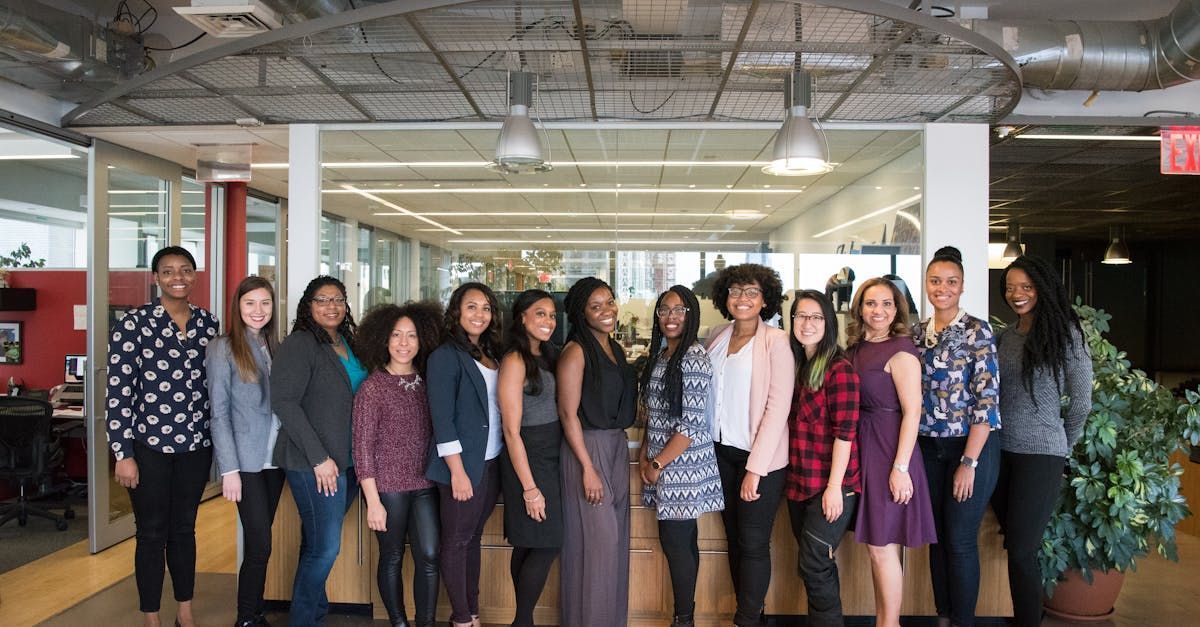
"Who runs the world? Girls!"
Women in project management. That’s a fascinating topic for me. Out of curiosity, and some deep dives and long falls down the rabbit hole, I came across a March 2023 article titled “ The State of Women in Project Management, 2023 ,” published by Project Management Institute (PMI), arguably the most well-known and well-respected professional project management associations. It’s a source of knowledge and offers the PMP - your surefire project management certification that’s globally recognized. Three key insights from the report:
The first two are standard fare across several industries, so I wasn’t necessarily surprised to see these call-outs or the subsequent information detailing the above conclusions.
What I found curious? First, let me put forth what may be an unpopular or even stereotypical opinion: w omen are soooo much better at organizing . �55358;�56631;�55356;�57341;♀️ We're the ones who find all the "lost" things in our households; we know our kids' schedules backwards and forwards six ways from Sunday + the timing it'll take to get from there to there and back here in time for that and this; whose doctor's appointment is when; the upcoming concert we purchased tickets for three months ago; we know ALL THE THINGS. (Okay, I’m laughing as I type this, but also kinda not?) I mean, all we have to do is turn to pop culture to verify this. TV shows, music, movies, etc. absolutely offer a fairly broad and sweeping viewpoint of social dynamics, but they do support the theory that art imitates life . For example, consider many family-oriented sitcoms, and who it is that keeps the household operating smoothly?
So in a field that prizes, at its most basic level, the ability to organize, orchestrate, and monitor a project, why is it that such a gap still exists?
Please note: I want to acknowledge that each of these household represent heteronormative settings. The examples above don't include households comprised of same-sex or non-binary parents only because we are then assigning gender norms to those who may not prescribe to those same ideals, and that is a much larger and quite different conversation. I want to respect each person's named identity. Also, I don't believe in a “woman’s role;” the above part of this post is solely a satirical examination of culture at home and in the workplace. I seek to be an ally to our LGBTQIA+ community in all ways, so please reach out if you'd like to have a deeper discussion around anything referenced.
Back to the gap. I don’t pretend to know the answer to the above question. But you know what I did find out? Five of the most prominent project management organizations, as defined by my super authentic, 35-second Google research time, are all helmed by men. If diversity is the goal, and we see a severe lack of representation as a challenge, wouldn’t a significant step forward rest in who’s leading the organization? ***
A Note on the Above Post
Please note: affirmative action is a leveling of the playing field . It focuses on equity (by the way, equity does not disregard qualifications. Such an approach would constitute a predefined ratio where everyone gets a trophy). Affirmative action, however, means access to the same resources, the same positions or opportunities, the same leadership openings, for every player on the team. We can have a conversation about any topic, including DEI, which I prize as the only way for humanity to move forward. That said, if you are anti-DEI, whether that's regarding gender identity, ethnicity, religion, socio-economic status, I ask that you only direct your comments to me personally and directly .
Women in project management. That’s a fascinating topic for me. Out of curiosity, and some deep dives and long falls down the rabbit hole, I came across a March 2023 article titled “ The State of Women in Project Management, 2023 ,” published by Project Management Institute (PMI), arguably the most well-known and well-respected professional project management associations. It’s a source of knowledge and offers the PMP - your surefire project management certification that’s globally recognized. Three key insights from the report:
- Male project managers outnumber their female counterparts around the world and in every sector, but the gaps differ greatly by region and industry.
- Women earn less than men and are slightly less likely to have a project management certification or a project management degree.
- While there are far fewer women in the project workforce, they are only slightly less likely than men to have a leadership role.
The first two are standard fare across several industries, so I wasn’t necessarily surprised to see these call-outs or the subsequent information detailing the above conclusions.
What I found curious? First, let me put forth what may be an unpopular or even stereotypical opinion: w omen are soooo much better at organizing . �55358;�56631;�55356;�57341;♀️ We're the ones who find all the "lost" things in our households; we know our kids' schedules backwards and forwards six ways from Sunday + the timing it'll take to get from there to there and back here in time for that and this; whose doctor's appointment is when; the upcoming concert we purchased tickets for three months ago; we know ALL THE THINGS. (Okay, I’m laughing as I type this, but also kinda not?) I mean, all we have to do is turn to pop culture to verify this. TV shows, music, movies, etc. absolutely offer a fairly broad and sweeping viewpoint of social dynamics, but they do support the theory that art imitates life . For example, consider many family-oriented sitcoms, and who it is that keeps the household operating smoothly?
- Modern Family : Claire - absolutely Claire
- Everybody Loves Raymond : It ain’t Raymond! It's for sure Debra.
- black-ish : Rainbow all the way.
- My Bestie’s house: Natalie. Natalie, yesterday, today, and tomorrow.
So in a field that prizes, at its most basic level, the ability to organize, orchestrate, and monitor a project, why is it that such a gap still exists?
Please note: I want to acknowledge that each of these household represent heteronormative settings. The examples above don't include households comprised of same-sex or non-binary parents only because we are then assigning gender norms to those who may not prescribe to those same ideals, and that is a much larger and quite different conversation. I want to respect each person's named identity. Also, I don't believe in a “woman’s role;” the above part of this post is solely a satirical examination of culture at home and in the workplace. I seek to be an ally to our LGBTQIA+ community in all ways, so please reach out if you'd like to have a deeper discussion around anything referenced.
Back to the gap. I don’t pretend to know the answer to the above question. But you know what I did find out? Five of the most prominent project management organizations, as defined by my super authentic, 35-second Google research time, are all helmed by men. If diversity is the goal, and we see a severe lack of representation as a challenge, wouldn’t a significant step forward rest in who’s leading the organization? ***
A Note on the Above Post
Please note: affirmative action is a leveling of the playing field . It focuses on equity (by the way, equity does not disregard qualifications. Such an approach would constitute a predefined ratio where everyone gets a trophy). Affirmative action, however, means access to the same resources, the same positions or opportunities, the same leadership openings, for every player on the team. We can have a conversation about any topic, including DEI, which I prize as the only way for humanity to move forward. That said, if you are anti-DEI, whether that's regarding gender identity, ethnicity, religion, socio-economic status, I ask that you only direct your comments to me personally and directly .

Pop Over and Win a Gift Card!
Second-Hand High, First-Hand Inspiration

Author's pillow defending her right to own as many books as she pleases. She really does need all of them.
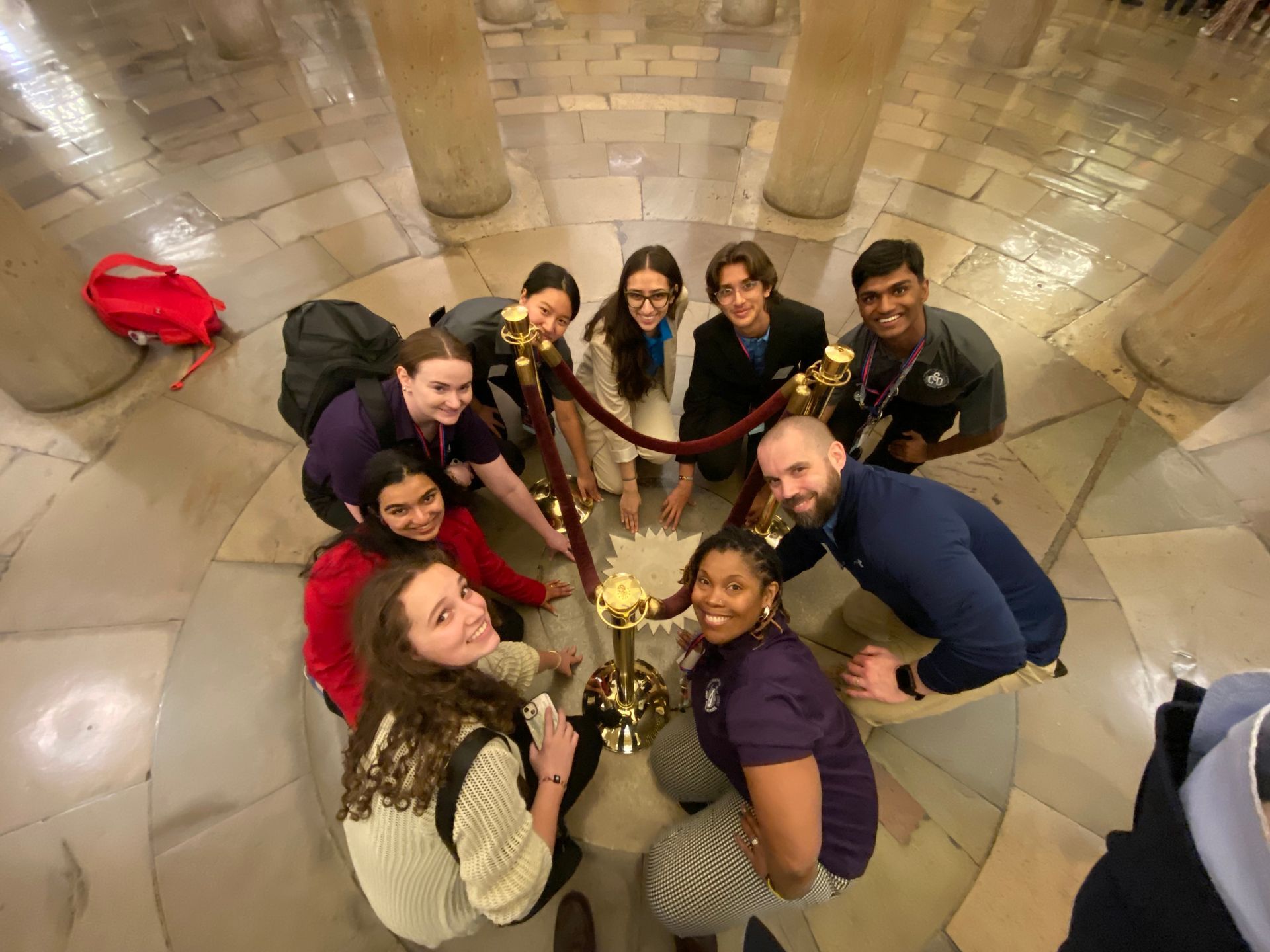
Author, Chief Science Officers, SciTech Staff, and parents touring the Capitol Building in D.C. during the National STEM Festival. April 2024